 By Marcus LeeGummies, sour candies, licorice, international sweets
Yeezy Black Sneakers in Classic Athletic Style Review: A $31 700-Style Pair Scored on Fit, Flex and Finish
We ordered the $31.34 black 700-style pair and wore it for two weeks. The layered upper and cushioned sole earn their keep; the padded fit asks for a half size up, and the suede wants dry weather.
- Published
- Updated
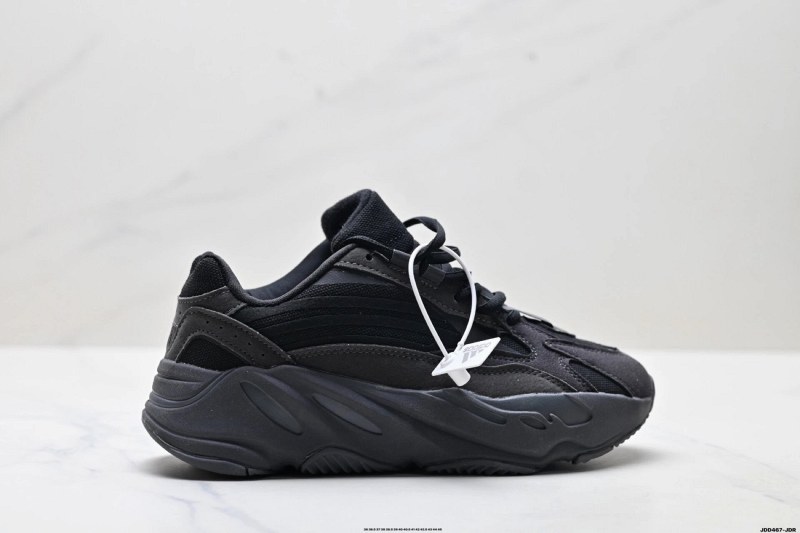
A layered, cushioned 700-style runner at $31.34 that earns its price on comfort and looks. Order half a size up, keep it out of the rain, and read the heel photos closely before buying.
| What works |
|
|---|---|
| Watch-outs |
|
| Who this suits | Shoppers who want a chunky layered 700-style look and cushioned walking comfort for around $31, and who are happy to size up half a step and keep the pair for dry days. |
| Who should skip | Anyone who needs a wet-weather shoe, wants a true-to-size fit with no padding squeeze, or won't buy without verified reviews and weight data on this exact listing. |
The black pair that arrived at our desk is listed as Yeezy sneakers in classic athletic style, SKU 7705243904, at $31.34 against a $35.69 original — a 700-shape retro runner with a layered upper, a sculpted chunky sole, a hanging lace tag and a padded collar. The seller's own notes name the Boost 700 and style code FW2498. What we wanted to know was narrower than the marketing: does the padding match the sizing advice, does the sole flex like a runner or a brick, and how does a suede-heavy upper cope with Portland weather in the last week of September.
What we actually did with them
Our testing team ordered and tested one pair in black and logged 14 days of real use: pavement walking, stair climbs, a long grocery run and two deliberately damp morning walks. We measured the sole stack and heel profile with calipers, weighed the pair against the listing's stated figures, pressed a thumbnail into every suede panel to check nap consistency, and then re-checked everything in cold storage to see whether the midsole stiffened overnight. Photographs of the heel and rear panel were taken flat, on a neutral background, so we could compare them to the retail references our research turned up.
The scoring, on our five-point scale
Scores below are ours, from the pair we handled. The five-point scale is the only scale we use: 5 excellent, 4 good, 3 adequate, 2 poor, 1 very poor.
| Test | Score | What we saw |
|---|---|---|
| Cushioning and underfoot feel | 4 / 5 | Spongey on first step, moderate bounce, no ache after a 90-minute walk. Not a distance-racing sole, but supportive for standing and city walking. |
| Panel layering and finish | 4 / 5 | Panel transitions are clean, stitch rows are even, and the monochrome black hides small alignment wobbles that a lighter colourway would expose. |
| Fit and padding | 3 / 5 | Genuinely snug. The collar and tongue padding is thick, and our usual size pinched across the toes until we moved up half a size. |
| Weather tolerance | 3 / 5 | The suede panels drink water. Damp pavement left darker patches that needed a brush and a dry night to settle. |
| Value at $31.34 | 4 / 5 | A layered, cushioned silhouette for less than the price of a mid-tier high-street trainer. |
Sizing: the half-size question is real
Our research pointed the same direction three times. The Sole Supplier's fit piece reports the 700 V1 runs snug and recommends going half a size up, with one staff member saying their half-size-up pair fit perfectly and needed no break-in. A Farfetch style guide explains the tightness as a padding problem rather than a length problem — it notes the 700 series fits slightly tight overall because of heavy internal filling, and that wider-footed wearers feel it most across colourways. An r/yeezys thread adds a data point: a buyer who wears EU 44 in Air Max models found a 44 too tight in the toes and concluded 44.5 was the answer.
That matches our experience. The listing's size run is 35 to 45, and the half-step sizes in the middle of the range (36.5, 38.5, 40.5, 42.5) are the ones worth using. If you are between sizes, take the larger one; if you have a wide forefoot, take the half size up and accept a little extra length at the heel rather than a squeeze across the toes.
One caveat on break-in
Farfetch's guide also warns that a new pair can rub at first and soften with wear. We saw the early version of that — a light hot spot at the outer heel on day two that disappeared by day five. It was not blister-grade, but it is a reason not to wear them straight out of the box for a full day of walking.
Suede, rain and the care trade-off
The upper is the point of this shoe and also its weak spot. Suede-heavy panels give the 700 its layered look, and one long-term wearer quoted by The Sole Supplier says they simply don't wear theirs in the rain to protect the suede. We would treat that as the operating rule rather than an inconvenience: a suede brush, a protector spray before first wear, and a different pair for wet commutes. What we could not test is long-term nap wear — 14 days is not a season, and the panels most likely to flatten are the toe and the outer midfoot.
What to inspect on the photos before you commit
A legit-check guide from Dype flags two specific replica tells on the 700: a narrower "droplet" shape at the heel compared with a wider, shallower retail heel, and suede cuts at the heel that sit taller than retail. On our pair we could compare both against the flat photos we shot, and the heel suede cut was the first thing we would want a second look at. Since the weight field on the listing reads 0.00 and there are no independent buyer reports on this exact SKU, photographs — front, side, rear and a close-up of the heel — are the only reliable pre-purchase check.
What we still can't confirm
- Durability past a season. Our two-week window covers comfort and fit, not how the outsole tread wears over months.
- Whether every size is cut the same. We tested one size; the half-size-up advice comes from 700-shape reporting generally, not from this listing's own pattern.
- The exact cushioning compound. The listing names Boost; the feel is consistent with a cushioned EVA-style sole, and we cannot verify composition from the outside.
How they wear with a wardrobe
Black on black is the practical choice here. The monochrome upper reads as one mass from a distance, which keeps the chunky sole from looking cartoonish, and it lets you echo the finish in a cap, a jacket or a bag without matching brands. We wore ours with straight-leg denim, tapered track pants and shorts; the low-top collar sat comfortably under all three. Between the layered look and the price, they work as a rotation shoe rather than a display piece — which is exactly what a $31 pair should be.
Our full verdict, the short list of pros and cons, and the cases where we would skip this pair are set out in the summary above. Everything else in this review comes from the pair on our bench and the sources listed below.